Sustainable Architecture: Designing Energy Efficient Buildings
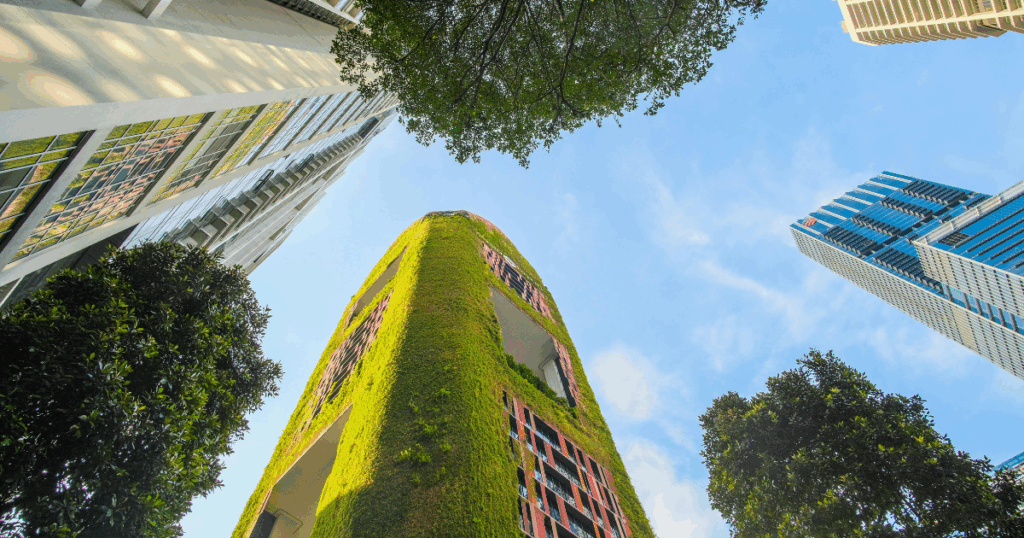
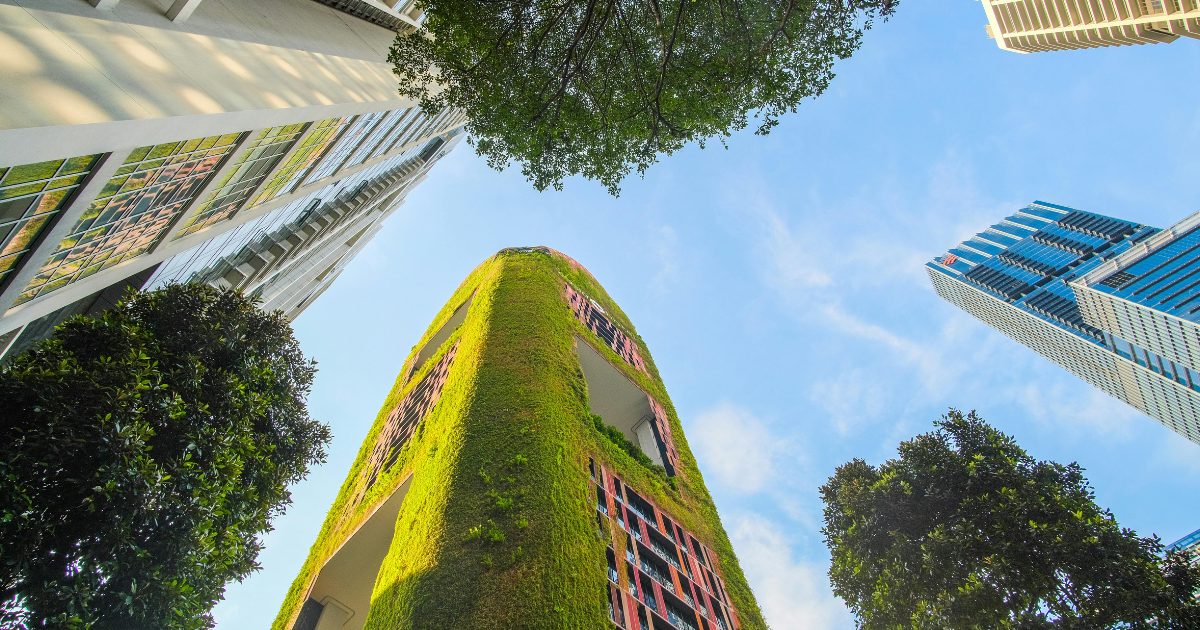
The construction industry stands at a critical crossroads where environmental responsibility meets innovative design. Sustainable architecture has evolved from a niche trend into a fundamental approach that shapes how we create buildings for the future. Energy-efficient structures now represent both ecological necessity and economic advantage.
Understanding Modern Sustainable Architecture
Sustainable architecture integrates environmental considerations into every phase of building design and construction, and operation. This holistic approach examines material selection, energy consumption, and water usage, as well as long-term building performance. Green building design principles prioritize reducing carbon footprint while maximizing occupant comfort.
The core philosophy behind sustainable architecture focuses on minimizing resource depletion. Architects now design structures that generate their own power, manage water efficiently and utilize renewable materials. These eco-friendly architecture strategies create buildings that give back to the environment rather than simply taking from it.
Key Principles of Green Building Design
Energy efficiency forms the foundation of any sustainable architecture project. Passive design strategies harness natural light, ventilation, and thermal mass to reduce mechanical system dependence. Proper building orientation can cut heating and cooling costs by up to 40 percent without additional technology.
Material selection plays an equally vital role in green building design. Recycled content and rapidly renewable resources, and locally sourced materials reduce embodied energy in constructions. Low-VOC finishes and non-toxic adhesives protect both environmental quality and occupant health.
Water conservation systems represent another pillar of environmental design. Rainwater harvesting, greywater recycling, and efficient fixtures dramatically reduce municipal water demand. These integrated approaches to construction demonstrate how sustainable architecture addresses multiple resource challenges simultaneously.
The Role of LEED Certification
LEED certification provides a recognized framework for measuring green building design success. This rating system evaluates constructions across categories, including energy performance and water efficiency, and material selection. Buildings pursuing LEED certification must document their environmental design choices through rigorous verification.
The certification process drives innovation in sustainable architecture by establishing clear benchmarks. Projects earn points for specific eco-friendly architecture features like renewable energy systems and enhanced indoor air quality. LEED certification also increases property values and attracts environmentally conscious tenants.
Multiple certification levels exist within the LEED framework. Certified and Silver, Gold, and Platinum ratings reflect increasing levels of environmental performance. These tiers help building owners communicate their commitment to sustainable architecture while achieving measurable efficiency gains.
Passive Design Strategies for Energy Efficiency
Strategic building orientation maximizes natural lighting while minimizing heat gain. South-facing windows in northern climates capture winter warmth while overhangs block intense summer sun. This fundamental aspect of environmental design reduces lighting and heating loads without complex mechanical systems.
Thermal mass materials like concrete, brick, and stone absorb heat during the day and release it at night. These constructions stabilize interior temperatures and reduce HVAC system cycling. Green building design professionals calculate optimal thermal mass quantities based on climate zone and building use patterns.
Natural ventilation design eliminates or reduces mechanical cooling needs in appropriate climates. Operable windows and strategically placed vents and stack effect chimneys move air through buildings using pressure differences. This eco-friendly architecture approach can eliminate cooling energy consumption duringthe shoulder seasons.
Advanced Technologies in Sustainable Architecture
Solar photovoltaic systems have become standard features in green building design projects. Decreasing panel costs and improving efficiency make renewable energy generation economically viable for most constructions. Building-integrated photovoltaics blend seamlessly into roofs and facades while generating clean power.
Geothermal heat pumps tap stable underground temperatures for highly efficient heating and cooling. These systems represent a cornerstone technology in sustainable architecture despite higher upfront costs. Environmental design professionals recognize that geothermal installations pay for themselves through reduced operating expenses.
Smart building systems optimize energy use through real-time monitoring and automated controls. Occupancy sensors, daylight harvesting, and predictive maintenance algorithms maximize efficiency. These technologies transform static structures into responsive, eco-friendly architecture that adapts to changing conditions.
Material Innovation in Environmental Design
Cross-laminated timber provides structural strength comparable to steel and concrete with significantly lower carbon emissions. This engineered wood product enables tall wood constructions that sequester carbon throughout their lifespan. Sustainable architecture increasingly embraces mass timber for its environmental and aesthetic benefits.
Recycled and upcycled materials reduce waste streams while creating unique design features. Reclaimed wood, recycled metal, and repurposed glass demonstrate commitment to green building design principles. These material choices often cost less than virgin alternatives while reducing environmental impact.
Bio-based insulation materials like cellulose, hemp, and sheep’s wool offer excellent thermal performance. These renewable insulators avoid the chemical concerns associated with petroleum-based products. Their use in constructions supports both energy efficiency goals and healthy indoor environments.
Water Management in Green Building Design
Rainwater collection systems offset potable water demand for irrigation and toilet flushing, and cooling tower makeup. Storage cisterns, filtration systems, and distribution plumbing integrate into sustainable architecture from initial design phases. Proper sizing ensures adequate supply during dry periods.
Greywater recycling captures water from sinks, showers, and laundry for reuse in non-potable applications. These systems can reduce overall water consumption by 30 to 50 percent in residential constructions. Environmental design professionals must navigate local codes that vary widely regarding greywater reuse.
The Business Case for Eco-Friendly Architecture

Energy-efficient buildings deliver lower operating costs throughout their lifetime. Utility bill savings from sustainable architecture features typically exceed the premium paid for green building design approaches. LEED certification also qualifies projects for tax incentives and utility rebates in many jurisdictions.
Market demand increasingly favors environmentally responsible constructions. Tenants pay premium rents for buildings with lower operating costs and healthier indoor environments. This trend makes sustainable architecture not just environmentally sound but financially strategic for building owners and developers seeking long-term value.
FAQs
- What is sustainable architecture?
Sustainable architecture designs buildings that minimize environmental impact using energy-efficient materials, renewable resources, and integration with natural surroundings throughout their lifecycle. - What is green building design?
Green building design focuses on creating structures with low energy consumption, water conservation, natural lighting, and eco-friendly materials to reduce carbon footprints. - What role do constructions play in eco-friendly architecture?
Constructions in eco-friendly architecture prioritize recycled materials, modular building techniques, and waste reduction to lower emissions and promote longevity. - What is environmental design in architecture?
Environmental design incorporates site-specific features like passive solar orientation, green roofs, and native landscaping to harmonize buildings with their ecosystems. - What is LEED certification?
LEED certification is a globally recognized rating system evaluating building sustainability across categories like energy efficiency, water use, and indoor environmental quality.