Future of Architecture: Blending Design with Digital Innovation
The future of architecture is unfolding before our eyes through a powerful fusion of creativity and technology. Design studios worldwide are embracing digital tools that transform how buildings are conceived and constructed. This shift represents more than just technological advancement. It marks a fundamental reimagining of what’s possible in building design.
How Digital Construction Tools Are Reshaping Architecture
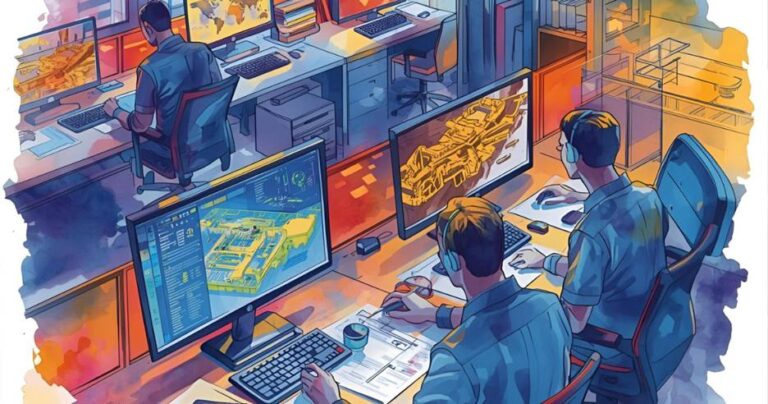
Digital construction tools have revolutionized the architectural workflow from concept to completion. Architects now use Building Information Modeling (BIM) to create detailed 3D representations before breaking ground. These platforms allow teams to detect conflicts and solve problems in the digital realm rather than on costly construction sites.
Virtual reality headsets let clients walk through their future spaces before a single brick is laid. This immersive experience removes guesswork and builds confidence in design decisions. The result is fewer changes during construction and happier clients who know exactly what they’re getting.
Parametric design software enables architects to generate thousands of design variations in minutes. By setting specific parameters like sunlight exposure or material efficiency, the software produces optimized solutions that human designers might never consider. This approach leads to buildings that perform better while using fewer resources.
Architectural Innovation Through AI and Machine Learning
Artificial intelligence is becoming an essential partner in the design process. Machine learning algorithms analyze vast databases of building performance data to suggest improvements. These systems learn from past projects and apply those lessons to new challenges.
Generative design takes this concept further by using AI to create building layouts that meet specific goals. Want maximum natural light with minimal energy consumption? The algorithm will generate options that balance these requirements. Architects can then refine these AI-generated concepts with their creative vision.
Predictive analytics help teams anticipate maintenance needs and structural issues before they occur. Sensors embedded in buildings feed real-time data back to monitoring systems. This continuous feedback loop ensures structures remain safe and efficient throughout their lifespan.
Construction Technology: Transforming Building Methods

The future of architecture extends beyond design into how buildings physically come together. 3D printing technology now produces entire structural components with precision impossible through traditional methods. Some companies are printing full-scale homes in a matter of days rather than months.
Robotic fabrication brings unprecedented accuracy to complex geometric forms. Robots can cut and assemble materials with tolerances measured in millimeters. This precision enables architectural forms that were previously too difficult or expensive to build.
Drones survey construction sites and monitor progress without human workers climbing scaffolding. They capture high-resolution images that track every phase of development. Project managers use this data to keep timelines on schedule and catch potential issues early.
Sustainable Building Design Through Digital Innovation

Environmental responsibility drives much of the architectural innovation we see today. Digital tools help designers optimize buildings for energy efficiency from the earliest planning stages. Simulation software models how structures will interact with their climate and environment.
Smart building systems adjust heating and lighting based on occupancy and weather conditions. These automated systems reduce energy waste while maintaining comfort for occupants. The data they generate helps architects design even better buildings in the future.
Material selection databases provide instant information about embodied carbon and lifecycle impacts. Architects can compare options and choose materials that minimize the environmental footprint. This transparency makes sustainable building design more accessible and achievable.
Human Element in Digital Architecture
Technology enhances rather than replaces the architect’s creative vision. Digital construction tools handle repetitive calculations and technical constraints. This frees designers to focus on the artistic and experiential aspects of their work.
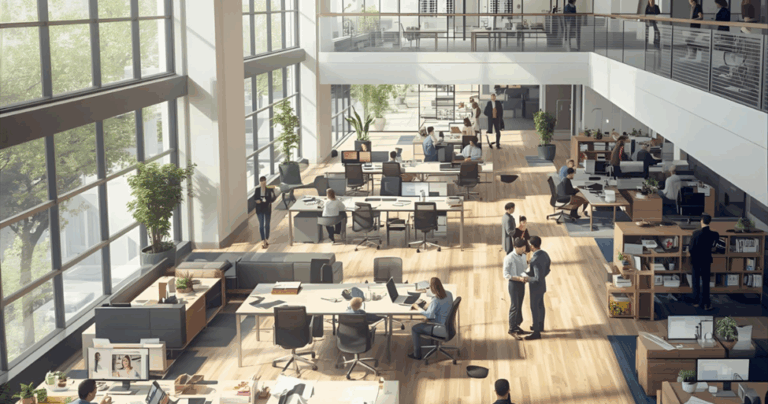
Collaboration platforms connect architects with engineers and contractors in real-time, regardless of geographic location. Teams can work together seamlessly across continents and time zones. This global connectivity brings diverse perspectives to every project.
The most successful firms blend traditional architectural principles with cutting-edge construction technology. They understand that buildings must serve human needs first. Technology is simply the means to create spaces that inspire and function beautifully.
What Lies Ahead for Architecture
Already, the future of architecture is even more connected to the physical and the digital world. AR will superimpose design data on the physical building sites. Digital glasses will allow workers to see exactly the place where each component belongs.
The technology of blockchain can revolutionize the process of managements of building permits and certifications. Smart contracts may save time by computerizing payments because construction achievements are digitally authenticated. These systems enhance transparency and minimize bureaucracy.
The digital planning of the homes, along with modular construction, will bring the cost of a custom home close to that of mass ones. Components that are factory-built and designed with sophisticated software will come to the site and be assembled within a short time. This method saves a lot of time in construction and waste.
Embracing the Digital Architecture Revolution
The process of changing the building design using technology is gaining momentum. Companies that are open to architectural innovation put themselves in a position to spearhead the industry. Those who are stuck with old practices will find it difficult to compete.
Education should be developed to equip the future generation of architects with this digital future. The students have to be trained in both the conventional design methods as well as the new construction technology. The greatest architects will be those who are able to establish a connection between the two worlds.
The future architecture holds with it even smarter and more sustainable buildings that take the human imagination. Creative vision cannot be replaced by digital innovation, which offers the tools. They are all developing an architectural renaissance that will shape the built world for many generations to come.
FAQs
- What is the future of architecture?
The future of architecture centers on sustainability, digital innovation, and creating resilient, livable urban environments using advanced technologies. - How are digital construction tools shaping building design?
Digital tools like AI, BIM, and parametric design optimize building performance, reduce waste, and enhance collaborative workflows from design to construction. - What role does architectural innovation play in construction technology?
Innovations such as 3D printing, robotics, and smart materials are transforming construction by enabling faster, cheaper, and more sustainable building methods. - How is sustainability integrated into future architectural designs?
Future designs prioritize net-zero energy buildings, green infrastructure, and eco-friendly materials to reduce environmental impact and foster healthier spaces. - What trends are driving the evolution of building design?
Trends like modular construction, adaptive reuse, biophilic design, and automation are redefining architectural aesthetics and functionality for 2025 and beyond.