

Smart Building Trends 2025: AI in Architecture
The construction industry stands at a technological crossroads in 2025. AI in architecture has moved beyond experimental phases into practical implementation that transforms how we design and build structures.
Buildings now think for themselves. They adjust lighting based on occupancy patterns. They optimize energy consumption in real-time. They predict maintenance needs before equipment fails.
How AI in Architecture Changes Building Design
Architects now use machine learning algorithms to analyze thousands of design options in minutes. Traditional design processes that took weeks now happen in hours. AI systems evaluate structural integrity and energy efficiency simultaneously while generating multiple design variations.
Smart architecture software processes environmental data to recommend optimal building orientations. These systems calculate sun exposure patterns and wind flow dynamics. The result is structures that naturally reduce energy consumption from day one.
Generative design tools create building layouts that humans might never conceive. AI explores unconventional shapes and configurations that maximize space utilization. These tools consider factors like natural light distribution and thermal performance during the design phase.
Construction Technology Trends
Robotics powered by artificial intelligence now handles repetitive construction tasks with precision. Bricklaying robots work alongside human crews to accelerate project timelines. Drones equipped with computer vision systems monitor construction progress and identify potential safety hazards.
AI-driven project management platforms predict delays before they occur. These systems analyze weather patterns and supply chain data and labor availability. Construction managers receive alerts about potential bottlenecks weeks in advance.
Building Information Modeling (BIM) enhanced with AI capabilities creates dynamic digital twins. These virtual replicas simulate building performance under various conditions. Engineers test modifications virtually before implementing physical changes.
Sustainable Construction
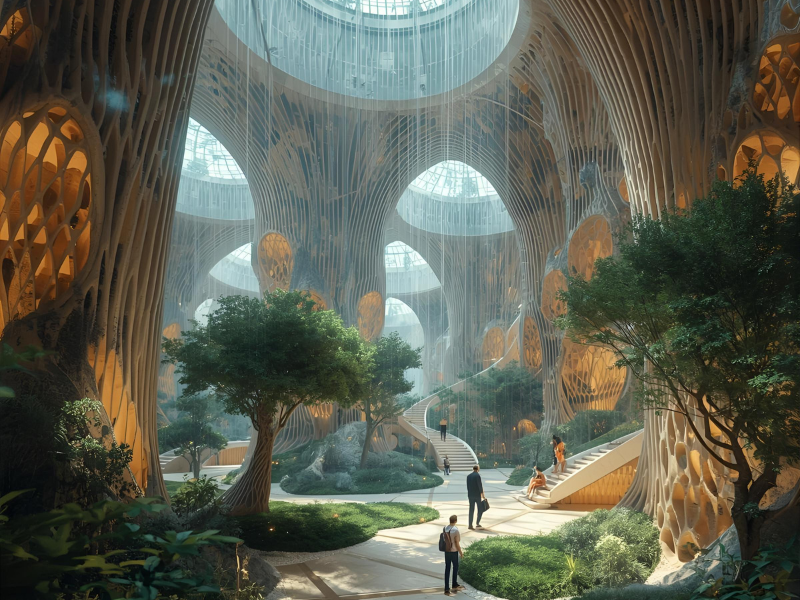
Green building solutions gain unprecedented efficiency through AI optimization. Machine learning algorithms analyze material properties to recommend sustainable alternatives. These systems identify recycled materials and low-carbon options that meet structural requirements.
AI platforms calculate the carbon footprint of entire building lifecycles. They factor in manufacturing emissions and transportation impacts and operational energy use. Architects make informed decisions that minimize environmental impact without compromising design quality.
Smart building systems reduce waste during construction by optimizing material quantities. AI predicts exact material needs based on design specifications. This precision cuts costs and reduces landfill contributions significantly.
Energy Management in Smart Architecture
Intelligent HVAC systems learn occupancy patterns and adjust temperatures proactively. Buildings no longer waste energy heating or cooling empty spaces. AI algorithms balance comfort with efficiency throughout the day.
Predictive analytics monitor energy consumption trends across building zones. These systems identify anomalies that indicate equipment inefficiency or malfunction. Facility managers address issues before they escalate into costly repairs.
Solar panel systems integrated with AI maximize energy generation. Smart inverters adjust panel angles based on sun position and weather forecasts. Buildings generate more renewable energy with the same hardware investment.
AI-Powered Safety and Security Systems
Computer vision systems monitor construction sites for safety violations in real-time. These cameras identify workers without proper protective equipment. Site managers receive instant notifications about potential hazards.
Smart buildings use AI to enhance security through behavioral analysis. Systems learn normal traffic patterns and flag unusual activities. Access control becomes more sophisticated while remaining user-friendly.
Emergency response systems powered by AI coordinate evacuations more effectively. These platforms analyze building occupancy and suggest optimal exit routes. Response times improve dramatically during critical situations.
Future of Construction Technology Trends
Voice-activated building controls become standard in commercial spaces. Occupants adjust lighting and temperature through natural language commands. These interfaces make buildings more accessible to people with mobility limitations.
AI systems now design buildings that adapt to changing uses over time. Flexible floor plans accommodate different tenant needs without major renovations. This adaptability extends building lifecycles and improves investment returns.
Predictive maintenance powered by IoT sensors and AI prevents equipment failures. Buildings monitor their own health and schedule repairs automatically. Downtime becomes minimal and maintenance costs decrease substantially.
AI in Architecture

Starting with AI integration requires an assessment of specific building needs. Not every project benefits equally from all AI technologies. Focus on applications that deliver measurable improvements in efficiency or sustainability.
Collaboration between architects and data scientists produces the best results. Technical teams need to understand design principles. Architects must grasp AI capabilities and limitations.
Cloud-based AI platforms make advanced technology accessible to firms of all sizes. Smaller architecture practices access the same tools as major corporations. This democratization accelerates industry-wide adoption of smart architecture solutions.
Key Takeaways for 2025
AI in architecture represents more than a trend. It fundamentally changes how we approach building design and construction technology trends. The integration of sustainable construction practices with intelligent systems creates structures that perform better while consuming fewer resources.
Green building solutions powered by artificial intelligence deliver measurable environmental benefits. Smart architecture adapts to occupant needs in ways traditional buildings cannot match. The future belongs to structures that think and learn, and optimize themselves continuously.
The transformation has begun. Buildings in 2025 are smarter and more efficient, and more sustainable than ever before. AI in architecture makes this possible.
FAQs
1. How is AI transforming architecture in 2025?
AI enhances architectural design by automating layout generation, optimizing structural performance, and enabling real-time collaboration across teams globally.
2. What role does AI play in sustainable construction?
AI analyzes environmental data to optimize energy efficiency, material use, and building orientation, driving greener, more eco-friendly construction practices.
3. How does AI contribute to smart architecture?
AI enables smart buildings by integrating sensors, automating systems, and predicting maintenance needs for improved occupant comfort and resource management.
4. What AI tools are popular in architecture today?
Tools like generative AI for design alternatives, AI-powered BIM integration, and AI visualization software accelerate workflows and improve project outcomes.
5. How is AI shaping construction technology trends?
AI supports construction planning, site management, risk analysis, and quality control, making projects faster, safer, and more cost-effective